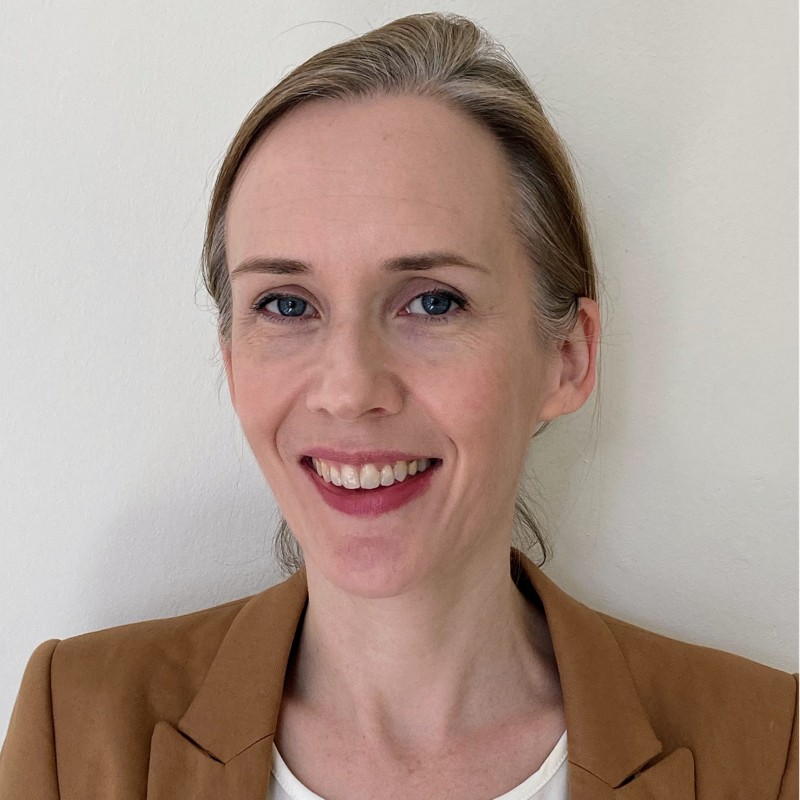
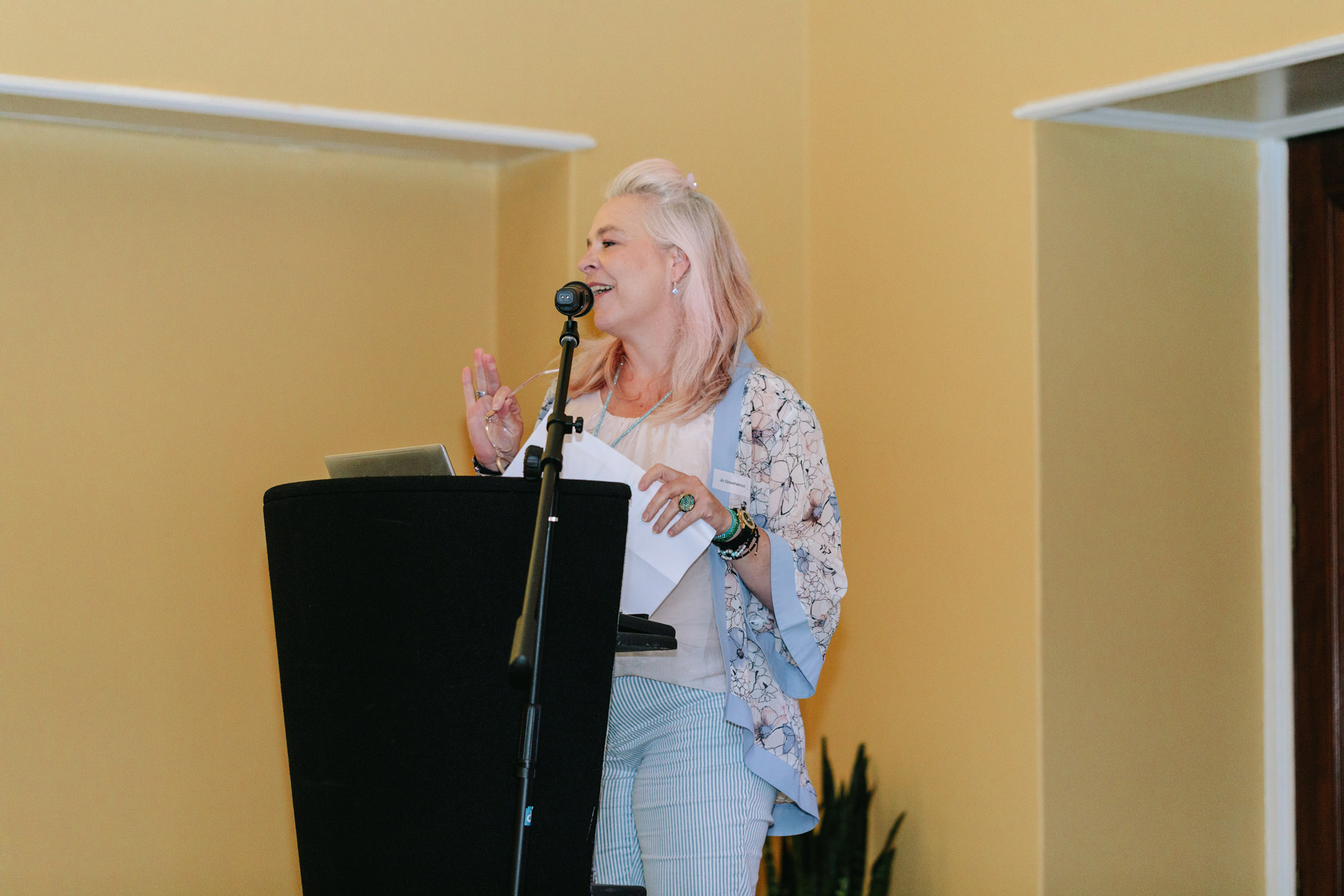
Meet Jo Greenwood, whose role spans finance, shaping strategy and supporting teams across Business West. Drawing on three decades of experience, she shares what a typical day looks like and how her role has evolved.
What is your role in simple terms? I’m Finance Director, but my role is broader than finance alone. I oversee finance, IT, contracts and some of our public sector delivery areas. I am on both Business West’s executive team, and board.
My role includes looking at the bigger picture, shaping bids and strategy, and working across the organisation with our heads of department.
What has kept you at Business West for three decades? The role has never stood still. I joined as a management accountant while finishing my CIMA qualification, then when my predecessor left, Phil Smith and John Savage gave me the opportunity to step up, and I took it.
Over the years I’ve led or supported almost every part of the business, including finance, HR, IT, innovation and operations. There has always been something new to get stuck into, from government contracts and major organisational change to supporting other related companies, such as Visit West.
I also really enjoy the creative and innovative side of the job.
How has your role changed? It has changed constantly. When I first joined in 1996, Business West was much smaller and far more manual. I still remember the old printers churning out reels of fan-folded paper with perforated holes, and the days when I had to sign huge numbers of cheques by hand.
In fact, when I changed my name after getting married, I made sure my signature was short because I was fed up with signing a long version so many times!
Since then, the organisation has grown, technology has transformed the way we work and my responsibilities have widened significantly.
What does a typical day look like? There isn’t really a typical day, which is one of the reasons I enjoy the role. Some days are packed with meetings, while others give me space to focus on budgets, accounts or a particular project.
There are monthly cycles, such as reviewing payroll and management accounts, but the balance is always shifting between finance, delivery, contracts and operational priorities. A good day is usually half meetings and half getting things done.
How do you start your day? I’m not naturally an early starter, so I tend to work later, and I believe people do their best work in different ways.
If I’m working from home, I try to start the day with some exercise. This morning, I went to an early morning Zumba class, but sometimes it’s a walk and some fresh air.
After that it’s usually emails, checking what is urgent and then getting into the day’s priorities. I may need to zone in on one thing, like the budget, or switch constantly between tasks.
Whatever the day looks like, it’s really important to take breaks, and not run on empty.
What are your most important daily tasks? The most important task is identifying what the priorities are. Some things, like payroll, are fixed and must happen on time. Beyond that, it’s often about responding to urgent questions, reviewing items that need sign-off and making sure colleagues have what they need to move forward.
At certain points in the month, that might mean reviewing accounts or board reporting. On other days, the most important thing could simply be taking two minutes to check in with someone who needs support.
What type of decisions do you have to make? A lot of my role is about helping identify what decisions need to be made. In finance, that might mean looking at budgets, cashflow or how best to allocate resources.
In other areas, it could mean helping teams think beyond the immediate issue and make the right decision for the medium to long term. Because I work across different parts of the organisation, I can usually see how one decision affects another area, so I try to steer decisions in a way that is right for the business as a whole, not just one department.
What moments during the day feel most rewarding? The best moments are when you help move something forward, remove a blocker or come up with a new idea. It could be offering a different perspective that helps someone find a way through a problem. That’s where I feel I add most value.
I enjoy being in the office and catching up with colleagues, but I also value time at home when I can make progress on deeper work. Challenge and variation suit me, and I probably do some of my best work when there is a little pressure involved.
What might surprise people about your job?