

Gulf trade deal update
The UK has struck a trade deal with the Gulf Cooperation Council (GCC), with the government estimating it could boost the UK economy by £3.7bn annually in the long term.

Fiona Parsons
21 May, 2026
Business West

At the end of April (2026), France introduced a new digital border system called the Obligatory Logistics Envelope (ELO) for all freight travelling between Great Britain and France.
Designed to streamline border processes and reduce delays, ELO brings together customs, safety and security information into a single digital reference - effectively acting as the French equivalent of the UK’s Goods Movement Reference (GMR).
What businesses need to know
Under the new process:
The French authorities say the new system is intended to improve border fluidity, speed up checks and reduce disruption at ports.
Why preparation matters
As with any new border process, preparation and accurate customs data remain key. Incomplete or incorrect information could lead to delays or issues at the border.
Businesses trading with France should speak with their logistics providers, customs agents and hauliers to ensure they understand how ELO may affect their movements and internal processes.
Our International Trade Services team is closely monitoring developments around ELO and can help businesses understand the practical implications for their supply chains and customs procedures.
The UK has struck a trade deal with the Gulf Cooperation Council (GCC), with the government estimating it could boost the UK economy by £3.7bn annually in the long term.
Fiona Parsons
21 May, 2026
Business West
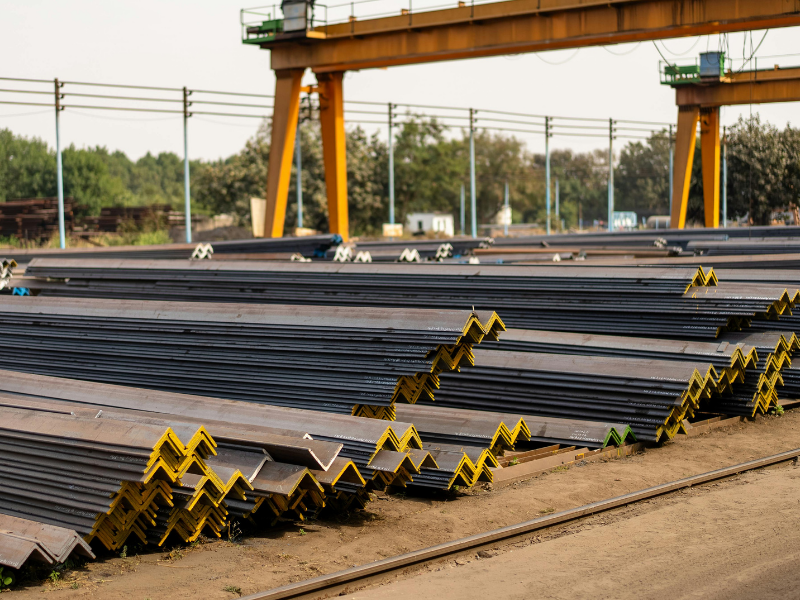
The British Chambers of Commerce (BCC) has warned that changes to UK steel quotas and tariffs could add millions of pounds to manufacturers’ costs and the proposed regime risks creating ‘real financial and logistics problems’ for downstream industries.
Fiona Parsons
14 May, 2026
Business West
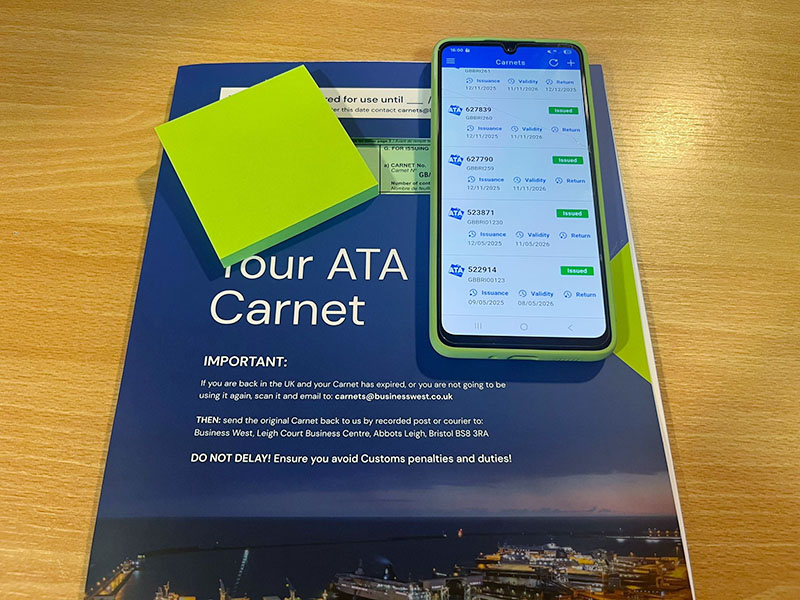
With around four weeks to go until Digital ATA Carnets launch on 1 June 2026, now is the time for businesses to get familiar with what’s changing - and what it means for your next international journey.
Fiona Parsons
5 May, 2026
Business West